Why Card File Cabinets Are Essential for Efficient Record Management in Offices and Archives
In today’s fast-paced office environments and information-driven institutions, efficient record management is no longer optional—it is essential. Offices, archives, libraries, hospitals, legal firms, and government agencies all face the same challenge: how to store, organize, and retrieve large volumes of records quickly and accurately. This is where card file cabinets play a critical role. Designed specifically for index cards and structured record systems, card file cabinets provide a reliable, space-saving, and professional solution for long-term record management.
This article explains why card file cabinets are indispensable for offices and archives, how they improve workflow efficiency, and how to choose the right cabinet for your organization’s needs.
What Is a Card File Cabinet?
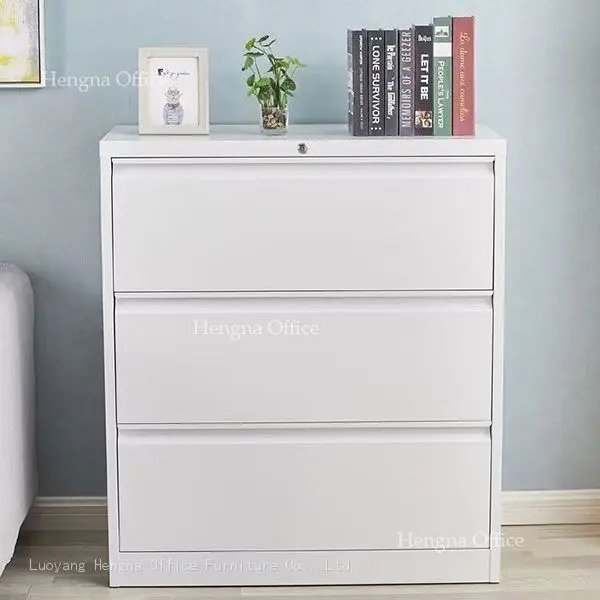
A card file cabinet is a specialized storage cabinet designed to organize and store index cards, reference cards, and structured records in a drawer-based system. Unlike standard file cabinets that store loose documents or folders, card file cabinets are optimized for high-density, categorized storage and frequent access.
Core Functions of a Card File Cabinet
- Systematic organization of records by category, number, or alphabet
- Faster retrieval of information
- Protection of important data and documents
- Long-term storage for archives and institutional records
Most card file cabinets are made of durable metal, such as cold-rolled steel, ensuring stability and longevity even in high-traffic office or archive environments.
Why Card File Cabinets Are Essential for Offices and Archives
1. Improved Filing Accuracy and Faster Retrieval
One of the biggest advantages of card file cabinets is their ability to improve filing accuracy. Records stored in index-card format can be arranged alphabetically, numerically, or by subject, making retrieval fast and intuitive.
Instead of searching through stacks of paper or digital systems that may not be updated in real time, staff can locate physical records instantly. This is especially valuable in:
- Administrative offices
- Medical records departments
- Legal and government archives
By reducing search time, card file cabinets directly increase productivity and reduce operational delays.
2. Space-Saving Vertical Storage Design
Office and archive space is often limited. Card file cabinets are designed with a vertical drawer structure, allowing organizations to store a large number of records in a compact footprint.
Compared with open shelving or bulky filing systems, card file cabinets:
- Use vertical space efficiently
- Keep records neatly enclosed
- Reduce clutter in work areas
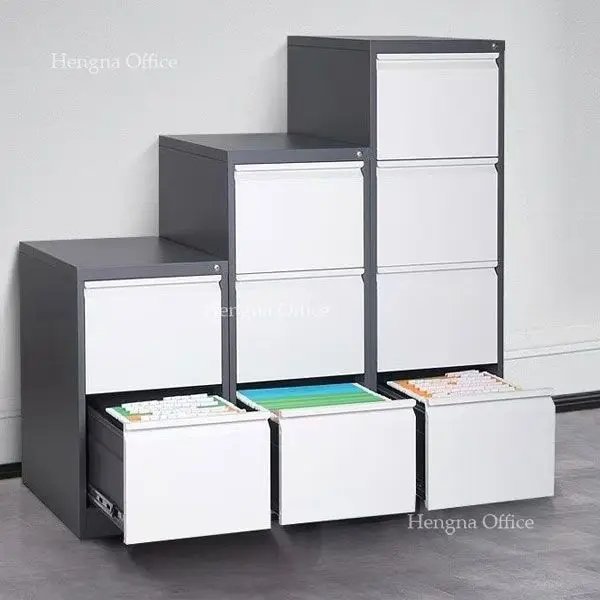
Common configurations such as 2-drawer, 3-drawer, and 4-drawer card file cabinets are ideal for different space and capacity requirements, making them suitable for both small offices and large archives.
3. Better Organization for Long-Term Records
Archives and institutions often store records for many years, sometimes decades. Card file cabinets provide an organized, stable environment for long-term record preservation.
Key organizational benefits include:
- Clearly separated drawers for different record types
- Reduced risk of misplacement or loss
- Easy expansion as records grow
For organizations that rely on physical indexing systems, card file cabinets ensure that historical data remains accessible and well preserved.
Ideal Applications of Card File Cabinets
Office Administration
In corporate offices, card file cabinets are commonly used for:
- Employee records
- Client or customer information
- Internal reference materials
Their compact size and structured layout make daily administration more efficient.
Archives and Libraries
Libraries and archives depend heavily on index-based systems. Card file cabinets are ideal for:
- Catalog cards
- Classification systems
- Historical document references
They support consistent organization and long-term usability.
Medical, Legal, and Government Institutions
These sectors require accuracy, security, and compliance. Card file cabinets are widely used for:
- Medical record indexing
- Legal case files
- Government document archives
Their enclosed design helps protect sensitive information while maintaining easy access.
Choosing the Right Card File Cabinet for Your Needs
Drawer Count: 2, 3, or 4 Drawers
Selecting the right drawer configuration is key to maximizing efficiency:
| Drawer Count | Recommended Use | Storage Capacity | Space Requirement |
|---|---|---|---|
| 2 Drawer | Small offices, reception areas | Low–Medium | Compact |
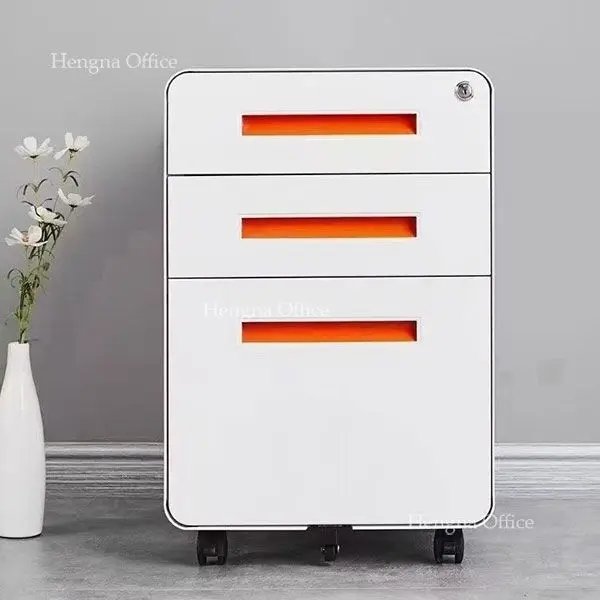
| 3 Drawer | Offices, clinics, law firms | Medium | Standard |
| 4 Drawer | Archives, hospitals, institutions | High | Vertical space |
Organizations often choose 3-drawer card file cabinets as the most balanced option for daily office use, while 4-drawer cabinets are ideal for high-density storage environments.
Card Capacity and Drawer Size
When choosing a cabinet, consider:
- Number of cards per drawer
- Card size (A6, index cards, custom formats)
- Expansion needs for future growth
A well-sized cabinet prevents overcrowding and ensures smooth drawer operation.
Advantages of Factory-Manufactured Card File Cabinets
Choosing a factory-manufactured card file cabinet offers several advantages for professional buyers:
Consistent Quality and Durability
- Precision manufacturing
- Strong metal structure
- Smooth drawer rails for frequent use
Customization Options
Factories can provide:
- 2 / 3 / 4 drawer configurations
- Customized dimensions
- Color and finish options
- OEM and branding services
This flexibility makes card file cabinets suitable for bulk procurement and long-term projects.
Card File Cabinets vs Other Filing Solutions
| Feature | Card File Cabinet | Standard File Cabinet | Open Shelving |
|---|---|---|---|
| Filing Accuracy | High | Medium | Low |
| Space Efficiency | High | Medium | Low |
| Security | High | Medium | Low |
| Best for Archives | ✔ | △ | ✖ |
This comparison clearly shows why card file cabinets remain the preferred choice for structured record management.
FAQs – Card File Cabinets for Record Management
Q1: What is a card file cabinet used for?
A card file cabinet is used to store and organize index cards and structured records for easy access and long-term management.
Q2: How many drawers are best for office use?
For most offices, a 3-drawer card file cabinet provides the best balance between capacity and space efficiency.
Q3: Are card file cabinets suitable for long-term archiving?
Yes. Metal card file cabinets are designed for durability and are widely used in archives, libraries, and government institutions.
Q4: Can card file cabinets be customized?
Yes. Many manufacturers offer customization options, including drawer count, size, color, and branding.
A Smart Investment for Organized Record Management
Card file cabinets are more than just storage units—they are an essential tool for efficient record management in offices and archives. By improving filing accuracy, saving space, and supporting long-term organization, they help institutions operate more smoothly and professionally.
Whether you need a 2-drawer cabinet for a small office or a 4-drawer high-capacity solution for an archive, investing in the right card file cabinet ensures better workflow efficiency and reliable record protection for years to come.