Choosing the Right Card File Cabinet by Drawer Count: 2-Drawer, 3-Drawer, and 4-Drawer Solutions for Professional Record Storage
In modern offices, archives, and professional institutions, efficient record storage is essential for maintaining productivity and accuracy. Whether you manage administrative files, medical records, legal documents, or archival index cards, choosing the right card file cabinet can significantly improve workflow efficiency and space utilization. One of the most important factors to consider when purchasing a card file cabinet is drawer count.
In this guide, we’ll explore how 2-drawer, 3-drawer, and 4-drawer card file cabinets meet different professional storage needs, and how to select the most suitable option for your organization.
Why Drawer Count Matters in Professional Record Storage
Drawer count directly affects three key aspects of record management:
- Storage capacity – how many cards or records can be stored
- Space efficiency – how well vertical and floor space are utilized
- Workflow efficiency – how easily staff can access and organize records
Selecting the wrong drawer configuration may result in overcrowded drawers, wasted space, or the need for additional cabinets in the future. Understanding your storage needs upfront helps you invest in a solution that is both practical and scalable.
What Is a Right Card File Cabinet and Why Drawer Count Is Critical
A card file cabinet is a specialized filing unit designed for storing index cards and structured records in drawers. Unlike standard filing cabinets, card file cabinets are optimized for high-density storage, frequent access, and systematic organization.
How Drawer Count Impacts Capacity and Workflow
- Fewer drawers mean a smaller footprint but limited capacity
- More drawers provide greater vertical storage without increasing floor space
- Proper drawer distribution reduces misfiling and speeds up retrieval
For professional environments, matching drawer count to actual usage is essential for long-term efficiency.
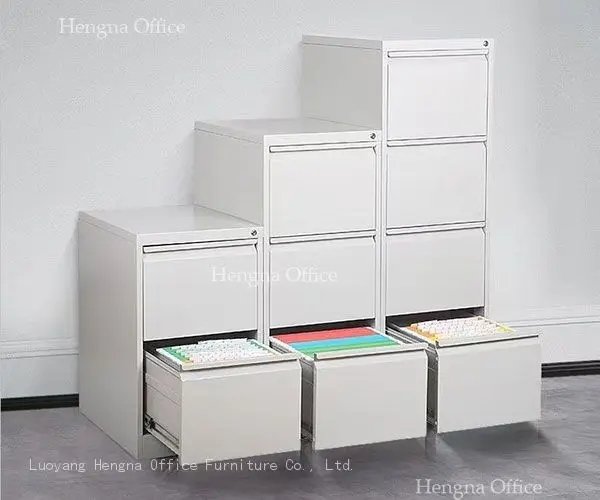
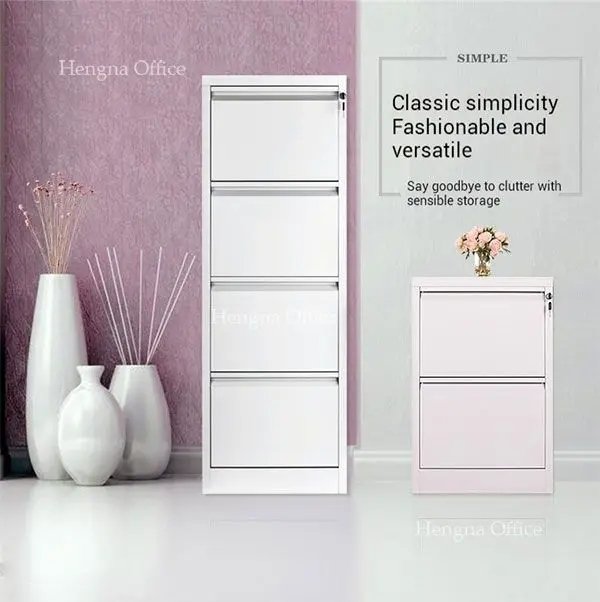
2-Drawer Card File Cabinets: Compact and Efficient
Best Use Cases
The 2-drawer card file cabinet is ideal for:
- Small offices
- Reception or front-desk areas
- Departments with limited record volumes
Key Advantages
- Compact design suitable for tight spaces
- Easy access to frequently used records
- Lower cost compared to larger cabinets
Who Should Choose a 2-Drawer Cabinet
This option is well-suited for startups, small clinics, and administrative teams that manage a modest number of records and prioritize space-saving solutions.
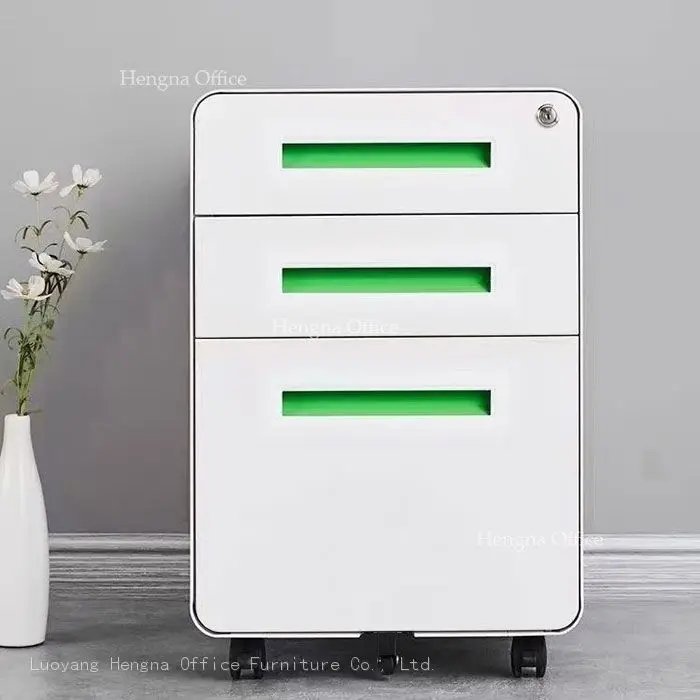
3-Drawer Card File Cabinets: The Most Popular Choice
Why 3-Drawer Cabinets Are the Industry Standard
The 3-drawer card file cabinet is the most commonly used configuration because it offers the best balance between capacity and space efficiency. It provides enough storage for growing record systems without occupying excessive floor area.
Typical Applications
- Office administration
- Legal firms
- Medical clinics
- Educational institutions
Storage Capacity and Organization Benefits
- Medium to high card capacity
- Clear categorization across drawers
- Suitable for daily use and long-term storage
For many organizations, the 3-drawer cabinet is the safest and most versatile choice.
4-Drawer Card File Cabinets: High-Capacity Professional Storage
Ideal Environments
The 4-drawer card file cabinet is designed for:
- Archives
- Hospitals
- Government agencies
- Large institutions with extensive records
Benefits of High-Density Storage
- Maximizes vertical space
- Reduces the need for multiple cabinets
- Centralizes large volumes of records
When a 4-Drawer Cabinet Is the Best Choice
If your organization handles a high volume of records or requires long-term archival storage, a 4-drawer cabinet offers the capacity and organization needed for efficient management.
Comparison Table: 2 vs 3 vs 4 Drawer Card File Cabinets
| Drawer Count | Storage Capacity | Space Requirement | Recommended Users |
|---|---|---|---|
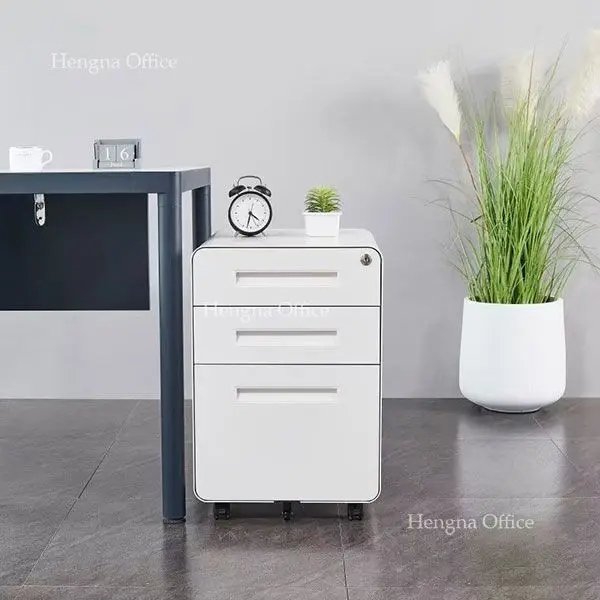
| 2 Drawer | Low–Medium | Compact | Small offices, reception |
| 3 Drawer | Medium | Standard | Offices, clinics, law firms |
| 4 Drawer | High | Vertical | Archives, hospitals, institutions |
This comparison highlights how drawer count directly influences usability and scalability.
Additional Factors to Consider When Choosing a Card File Cabinet
Card Size and Drawer Dimensions
Ensure the cabinet matches the card format you use, such as:
- Index cards
- A6 cards
- Custom card sizes
Material and Build Quality
Professional card file cabinets are typically made from cold-rolled steel, offering:
- Long-term durability
- Stable drawer operation
- Resistance to deformation
Customization and Factory Options
Factory-manufactured cabinets can offer:
- Customized drawer counts
- Tailored dimensions
- OEM branding and color options
- Bulk production for large projects
These options are especially valuable for organizations with specific storage standards or large procurement needs.
Why Factory-Direct Card File Cabinets Offer Better Value
Consistent Quality Control
Factory production ensures standardized materials, precise manufacturing, and consistent quality across batches.
Flexible Solutions for B2B Buyers
Buying directly from a manufacturer allows:
- Cost-effective bulk purchasing
- Custom specifications
- Stable supply for long-term projects
This makes factory-direct card file cabinets a smart investment for professional buyers.
FAQs – Choosing Card File Cabinets by Drawer Count
Q1: Is a 2-drawer card file cabinet enough for office use?
A 2-drawer cabinet is suitable for small offices or departments with limited records, but growing organizations may prefer 3 drawers for scalability.
Q2: Why is the 3-drawer card file cabinet the most popular option?
It offers the best balance between capacity and space efficiency, making it ideal for most professional environments.
Q3: When should I choose a 4-drawer card file cabinet?
A 4-drawer cabinet is recommended for archives, hospitals, or institutions with large volumes of records and long-term storage needs.
Q4: Can drawer count and size be customized?
Yes. Many manufacturers offer customization options to match specific card sizes, capacities, and organizational requirements.
Match Drawer Count to Storage Needs for Maximum Efficiency
Choosing the right card file cabinet by drawer count is a strategic decision that directly impacts record accessibility, space utilization, and operational efficiency. While 2-drawer cabinets work well for compact environments, 3-drawer cabinets are the most versatile choice for everyday professional use. For high-volume or archival storage, 4-drawer cabinets provide the capacity and organization required.
By carefully assessing your storage needs and selecting the appropriate drawer configuration, you can build a reliable, efficient, and scalable record management system for years to come.